Find Parts that fit Your Car
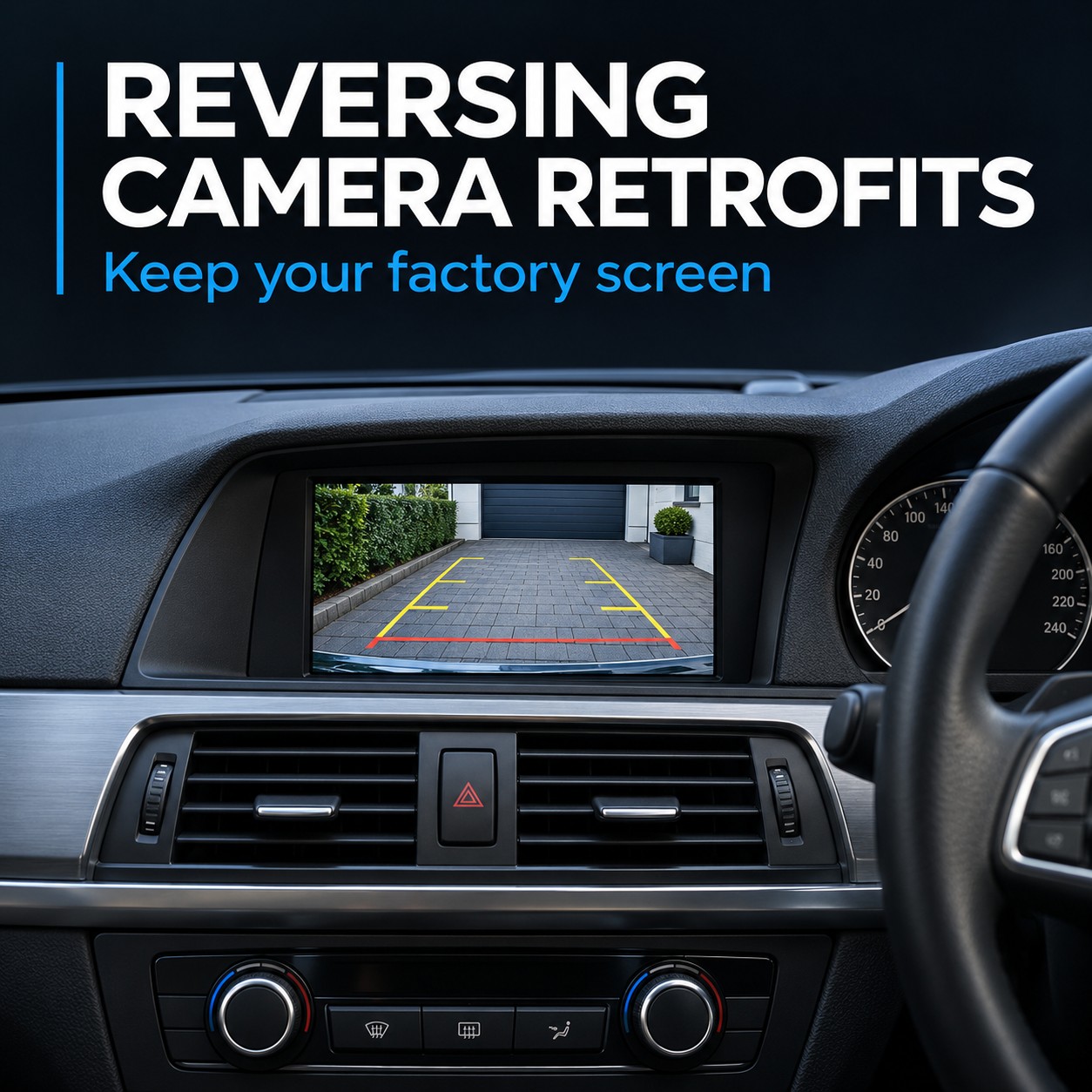
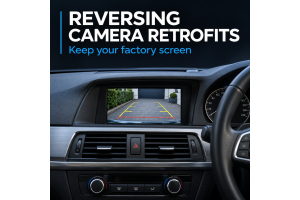
You like the car, the original screen works well, but reversing would be easier with a camera. You do not necessarily need a replacement head unit or a second display on the dashboard. On a compatible system, a camera retrofit can put the view behind the vehicle onto the screen you already use.
The finished upgrade is what matters: a camera mounted neatly in the vehicle, an image that appears when you select reverse, and the right wiring and electronic setup behind it. Here is how those pieces come together, and why the complete installation is a better starting point than choosing a camera on its own.
Get a Reversing Camera Installation Quote
What do you gain from a factory-screen retrofit?
The obvious benefit is seeing the space immediately behind the car when you reverse into a parking bay or back towards an obstacle. That view is particularly welcome when the rear of a hatchback, SUV or van is difficult to judge from the driver's seat.
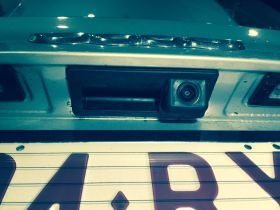
A well-matched retrofit also preserves the interior. Depending on the vehicle, the camera can sit in a replacement boot handle, tailgate handle or badge assembly, while the image appears on the original infotainment display. The result can look much closer to factory equipment than an additional monitor attached to the dashboard.
The way it behaves matters just as much as the appearance. Automatic activation in reverse, the parking display and any guidance lines should be considered together. A camera integrated through the vehicle's original camera function can behave differently from one displayed through an added video interface, even though both use the factory screen.
Can your existing screen display a camera?
Often it can, but the answer depends on the infotainment system behind the screen. Two cars with similar dashboards can have different head units, video connections and camera support.
There are two common routes. One uses the vehicle's supported camera input and the appropriate camera electronics. The other adds a compatible interface to display the camera image through the existing screen. The second route can make a retrofit possible where the original setup does not directly accept the proposed camera.
Neither route automatically gives every factory camera feature. The useful questions are how the image activates, which parking information remains visible, and whether the installation provides fixed or steering-responsive guidelines. Those are features of the complete system, rather than the lens alone.
What goes into the complete installation?
The camera and its mounting
The camera needs a suitable mounting position as well as compatible electronics. A badge-mounted camera for a hatchback is a different assembly from a handle-mounted camera for an SUV. The body style matters, too: a saloon, estate and van do not necessarily share the same rear handle or cable route.
A purpose-designed assembly helps the installation look tidy and places the lens where that system expects it to be. Buying a genuine camera component is useful when it is the right part for the job, but the genuine label alone does not turn it into a complete retrofit.
The wiring, controller or interface
The wiring connects the camera to its power supply and the relevant display or control electronics. A retrofit may also need a dedicated camera controller or a video interface, depending on the vehicle and the chosen installation route.
This explains the variety within our Reversing Cameras & Area View range: complete kits sit alongside cameras, wiring harnesses, controllers and other dedicated components. A replacement part for an existing system and a kit for adding a camera to a car without one are different purchases.
Coding and calibration
Some installations need coding so the vehicle recognises the new equipment and enables the appropriate display functions. An interface-based solution may operate differently and may not need the same vehicle coding. The requirements come from the selected system.
Calibration is a separate task where the camera system requires it. It establishes the camera's relationship to the vehicle using the specified procedure. Not every retrofit has the same calibration requirement, so it belongs in the installation specification rather than being assumed from a product photograph.
Real examples: the same goal, different hardware
VW Golf Mk6 and Passat: a camera in the rear badge
The Golf Mk6 badge-camera kit in our range illustrates the original-screen approach. It is listed for compatible RNS 510, RNS 315 and RCD 510 head units, with the specified 26-pin connection where applicable. The kit includes the camera assembly, drain tube and wiring, and requires coding after installation.
A separate badge-camera kit is listed for the Passat B6/B7 and CC. The owner gets the same basic benefit, but the vehicle-specific assembly and wiring package are selected for that application. “VW badge camera” describes the style of installation; it does not identify one kit that fits every Volkswagen.
Audi Q5 8R: integration with the MMI system
Our Q5 8R retrofit listing is for the factory-navigation MMI 3G/3G+ application and includes dynamic-line functionality. It specifically excludes Concert and Symphony systems. That is a good example of why identifying the infotainment system is more useful than knowing only that the car is a Q5.
For the owner, steering-responsive guidelines can make it easier to judge the intended reversing path. The camera, controller and vehicle data need to work together to provide that function; fitting a camera with the same physical shape does not establish the same capability.
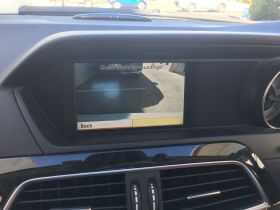
Mercedes C-Class W204: retaining the COMAND display
The W204 camera option in our catalogue is listed for specified COMAND applications and provides static lines, with coding needed to activate the camera function. It is a different specification from the Audi example, rather than an inferior version of the same kit.
The practical choice is whether you want a useful rear image on the existing screen, or whether additional features justify a different solution. A camera-only listing still needs to be assessed as part of the complete installation, including its connections and any additional components.
Static lines, dynamic lines and parking sensors
Static guidelines stay in a fixed position over the camera image. They provide a consistent visual reference as you reverse. Dynamic guidelines change with steering input to indicate the expected path. They do not steer the vehicle.
Neither description tells you everything about the display. Some systems show the camera beside the vehicle's parking-sensor graphic; others use a full-screen camera view. Whether the original sensor display is combined with the image depends on the retrofit architecture.
If your car already has parking sensors, tell us whether retaining their usual on-screen presentation is important to you. A picture of a car on the display is not proof that distance-sensing hardware is included in a camera kit.
Terms such as “Lowline” and “Highline” can help distinguish particular product families, but they should not replace a description of the actual features. Ask for the display behaviour and guidance functions you want, then match the hardware to them.
Is Area View the same upgrade?
A reversing camera gives a view behind the vehicle. A surround-view system uses multiple camera views to show more of the area around it. Volkswagen describes its Area View system as combining four cameras to create a 360-degree view on the infotainment screen.
That is a separate installation scope. Adding one rear camera does not create a bird's-eye view, and buying an Area View component does not provide a complete surround-view retrofit. If that is the result you want, request an assessment for the complete system on your particular vehicle.
What if your car already has a camera?
You may need a different part of the range: a replacement camera, controller or wiring component, or a conversion associated with an infotainment change. A fault in an existing system is also a different job from adding one for the first time.
If the camera stopped working after a head-unit or software change, include that history in the enquiry. For example, our RNS 510 firmware guide covers a specific Touareg reversing-camera compatibility issue after certain firmware changes. That does not mean every blank camera screen needs a new camera.
What affects the installed price?
The camera is only one part of the cost. The mounting assembly, cable route, controller or interface, and required coding or calibration all affect the finished job. A complete kit for one car can contain substantially different hardware from a kit for another.
That is why the lowest camera-only price is not a useful comparison with a complete retrofit quote. Compare the result you are buying: suitable components, fitting, electronic setup and the functions available on your screen.
Send us your vehicle model and year, along with a photograph of the existing infotainment system if you are unsure which version it is. Mention any existing camera, parking sensors or previous head-unit changes. We can then help identify a suitable option and quote the parts, installation and required configuration together.
Get a Quote for the Complete Camera Retrofit
Frequently asked questions
Can I add a reversing camera without replacing my factory screen?
Yes, on compatible systems. The retrofit may use the vehicle's supported camera function or an additional video interface. We can help establish the appropriate route from your vehicle and infotainment details.
Will the camera appear automatically when I select reverse?
Automatic activation is available with suitable integrated retrofits, including the VW and Audi examples described above. It should be confirmed as part of the selected system and its installation.
Do all reversing cameras have moving guidelines?
No. Some provide static lines, while compatible dynamic systems change the guidelines with steering input. The complete camera and control system determines the function, rather than the camera's appearance.
Can I keep my existing parking sensors?
A retrofit can be specified around the existing equipment. How the sensor information appears alongside the camera depends on the chosen solution, so tell us if retaining the original combined display is a priority.
Does a genuine camera include everything needed for installation?
Not necessarily. A listing may supply a camera assembly or controller intended for replacement or use within a larger installation. A complete retrofit can also need the correct mounting parts, wiring and electronic setup.
Will the retrofit need coding?
Many factory-integrated systems do. Some interface-based solutions work differently. We can include the required coding and any system-specific calibration in the installation proposal.
Can one rear camera provide a 360-degree view?
No. Surround-view systems use multiple cameras and suitable processing hardware. A rear-camera retrofit and a complete Area View installation are different upgrades.
Can you quote the camera, installation and setup together?
Yes. Request a complete retrofit quote with your vehicle details and the system currently fitted. If you already have some components, mention those so we can account for them.
-

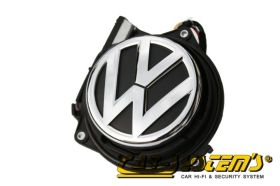
VW Golf 6 Rear Emblem Camera KIT Retrofit 5K0827469AQ ULM CRS907.5K0.02
Special Price $1,673.78 Regular Price $1,859.76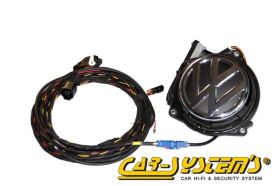
VW Rear Emblem Camera KIT - Retrofit - Passat B6 B7 CC CRS907.3C8.20
Special Price $1,673.78 Regular Price $1,859.76