Find Parts that fit Your Car
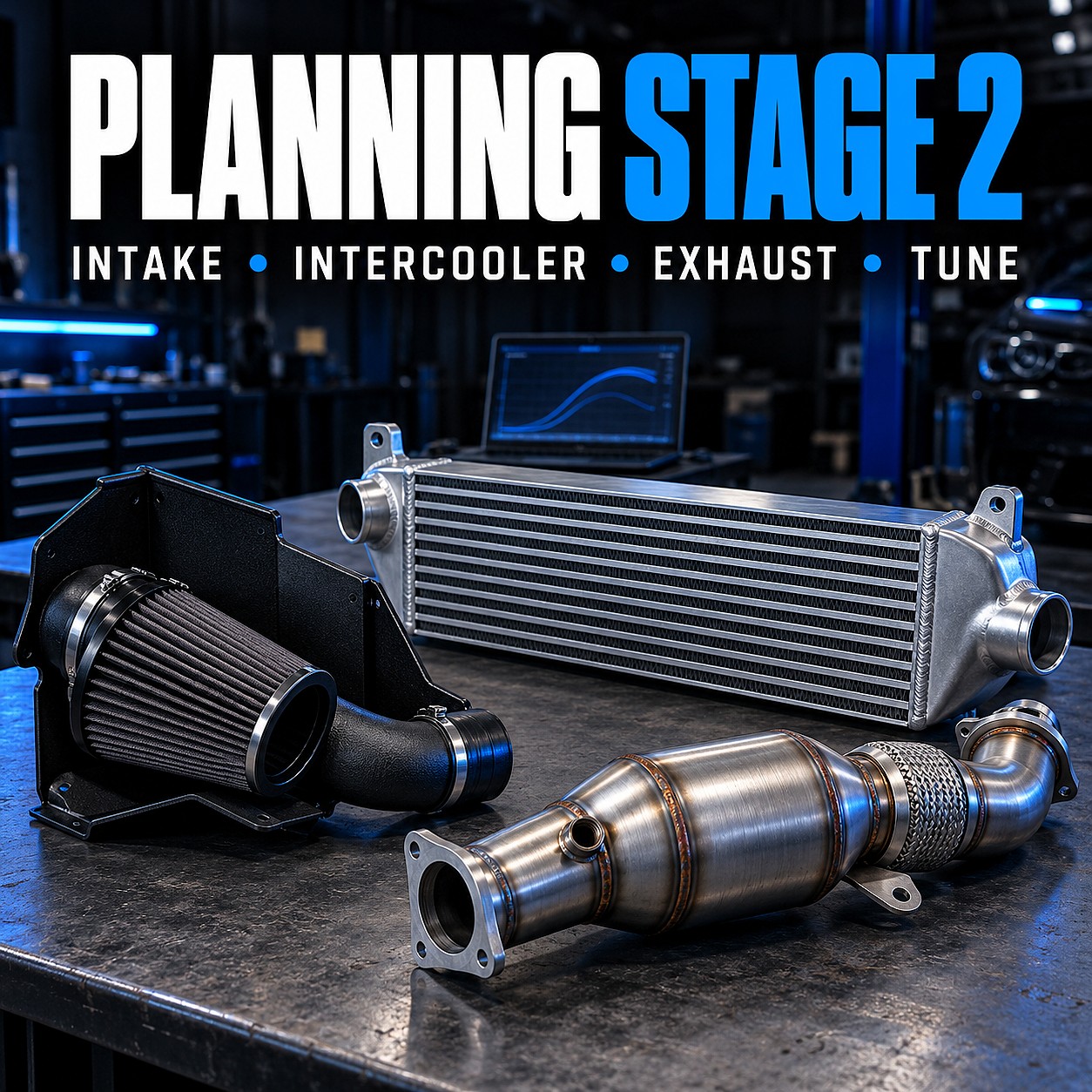
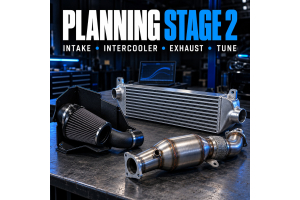
There is a satisfying way to build a quicker turbo car: give the engine the airflow and cooling it needs, choose an exhaust that suits the job, then calibrate the ECU for the combination. Done well, the result is stronger acceleration that stays enjoyable after the first run, with the sound and everyday manners you actually want.
The catch is that “Stage 2” is a tuner’s package name, not a universal parts specification. An intercooler can be optional for one calibration and compulsory for another. An intake can fit the engine but still fall outside a particular software package’s requirements. Planning the parts and tune together makes those decisions much easier.
Get a Quote for Parts, Installation & Tuning
What each part contributes
The intake: feeding the turbo and choosing your soundtrack
The intake feeds filtered air to the turbocharger. As airflow demand rises, the filter, airbox, connecting pipe and turbo inlet can each become a restriction. An appropriate upgrade reduces losses in that path; replacing the airbox alone does not automatically address every section.
For the driver, induction sound is often the most immediate change: more suction under load and a clearer turbo soundtrack. How much extra performance it supports depends on the original system and the engine’s demand. An open intake generally makes itself heard more than an enclosed arrangement, which matters if you want a discreet daily driver.
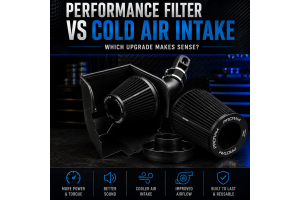
Our panel filter versus cold air intake guide covers that choice in more detail. Here, the question is which intake suits the complete build and the calibration being used.
The intercooler: keeping the performance you have paid for
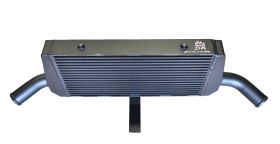
Compressing air heats it. The intercooler removes heat from the charge air before it reaches the engine, and a tuned engine can ask considerably more of that cooling system. A car that feels strong on its first acceleration can become less consistent as temperatures build.
A suitable intercooler helps control that temperature rise and maintain repeatable performance. Core design, internal flow and the air reaching the front of the cooler all matter. Garrett’s technical material also highlights the balance between heat rejection and pressure loss: extra restriction makes the compressor work harder, so the largest core is not automatically the best choice.
Think about the way you use the car. Hot weather, repeated acceleration and sustained load put cooling higher on the shopping list. The benefit can be a car that keeps delivering its performance, rather than a dramatic difference during one short run from cold.
The downpipe and exhaust: flow, fit and sound
The downpipe carries exhaust gas away from the turbine. Where the original assembly becomes restrictive at the intended output, an appropriate replacement can reduce pressure downstream of the turbo and support the calibration’s airflow target.
That is a different purchase from a cat-back exhaust chosen mainly for its sound. If the software requires a particular downpipe or sports catalyst, fitting a louder rear exhaust does not satisfy that requirement. Conversely, a complete replacement exhaust is not compulsory for every tuned car.
Choose the catalyst arrangement, sensor provisions and connection to the remaining exhaust together. Discuss the sound you want as well: a stronger note under acceleration and a persistent motorway drone are very different ownership experiences. A petrol downpipe specification should not be carried across to a diesel with a different turbo and exhaust aftertreatment system.
The ECU tune: making the hardware work as a system
The calibration coordinates the engine’s response to the hardware. On a turbo petrol engine, that includes boost control, fuelling, ignition and torque management. Changing exhaust flow, intake characteristics or available cooling changes the conditions in which those controls operate.
This is why adding up advertised gains from an intake, intercooler, downpipe and remap tells you very little. Those claims may use different cars, fuels and test conditions, and the benefits overlap. The useful result is the performance of the completed combination on its intended fuel.
Required versus recommended: two GTIs, two different lists
A required component is part of the specification for the selected software. A recommended component can still be a very worthwhile purchase, especially for your climate or driving pattern, but it has a different status. Revo’s published requirements provide a clear example:
| Documented application | Required for that Revo Stage 2 package | Recommended examples |
|---|---|---|
| Golf Mk6 GTI 2.0 TSI, 211 PS version | Turbo-back exhaust with sports catalyst; high-flow intake with correct MAF scaling. | Uprated intercooler, engine mounts and throttle pipe. |
| Golf Mk7 GTI 2.0 TSI, 230 PS version | Revo intercooler, high-flow sports catalyst and Revo intake, or the specified Revo Performance Pack. Revo also requires its TCU software for the DQ250 six-speed DSG application. | Supporting pipework, mounts, brakes and suspension upgrades. |
These are specific published packages, rather than a shopping list for every GTI. They show why choosing the software first matters. A mixed-brand hardware combination should be assessed with the tuner who will calibrate it; physical fit alone does not make it an approved substitute for a named package.
Three practical ways to plan the build
1. Golf Mk6 GTI: identify the engine before ordering
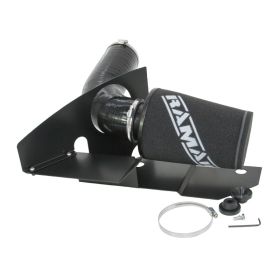
For the EA888 2.0 TSI application, the Ramair JSK-123 intake is a relevant starting point. Ramair lists the kit for specific Golf Mk6 GTI, Scirocco and related EA888 applications. It is not a blanket recommendation for every engine fitted to those model ranges.
A Mk6 Golf R or an EA113-powered Edition 35 needs a different assessment from the ordinary EA888 GTI. Even the intake’s MAF housing matters where the calibration relies on its dimensions. The sensible quote identifies the engine, selects the appropriate exhaust and intake, then decides whether improved cooling belongs in the same installation. An intercooler marked “recommended” can still be a priority for a car that works hard in summer.
2. MQB petrol: related platforms, application-specific parts
On suitable EA888 Gen 3 MQB applications, the Ramair JSK-121 and APR CI100041 are intake options to discuss. The exact kit contents and connections matter: Ramair’s JSK-121 range includes versions with different hose and inlet arrangements. APR specifies CI100041 compatibility with either the factory or APR rear intake tube and turbo inlet, a useful example of components working across an existing system.
For charge cooling, Wagner 200001048 covers specified Golf 7 GTI, Golf R and related applications. Wagner calls out additional vehicle modifications on some S3 installations. That affects the installation quote, even when the intercooler itself is listed for the vehicle.
The Apectrum DP-G7R-3023OA catted downpipe is listed for Golf 7/7.5 R and Audi S3 8V applications. That listing does not make it a GTI downpipe, or confirm every later exhaust configuration. These products illustrate the separate jobs within a build; the final combination must suit the exact car and chosen software.
For a daily driven Golf R or S3, that discussion should also settle how much induction and exhaust sound you want. There is no reason to choose the loudest available parts simply because the target is Stage 2.
3. Audi A6/A7 V6 diesel: start with the diesel strategy
A diesel build follows the same broad airflow and cooling principles, but its calibration is different. Injected fuel quantity and timing must work with the available air, boost control and torque limits. Smoke control, exhaust temperature and the retained aftertreatment system belong in that plan. Petrol octane requirements and a petrol sports-cat shopping list do not translate across.
Charge cooling is a useful example. Wagner documents a dedicated intercooler kit for specified A6/A7 C7 3.0 BiTDI variants. The important point is the application-specific cooling arrangement, rather than a universal diesel “Stage 2” recipe.
Our catalogue also includes separate MG Motorsport listings: 3657 for listed A6/A7 3.0 BiTDI applications and 3658 for its listed 3.0 TDI applications. They need their own fitment assessment; another manufacturer’s dimensions or test results do not describe these products.
For the owner, the goal might be stronger overtaking performance with controlled temperatures during sustained load. Whether that needs an intake or exhaust change depends on the actual restriction and the selected tune. An intercooler upgrade alone does not create a requirement to remove the DPF.
Settle the fuel and gearbox before settling the torque target
On petrol engines, choose a calibration for fuel you can reliably buy. APR’s EA888 Gen 3 software listings, for example, distinguish fuel-specific files and low-torque options. Australian 95 RON and 98 RON specifications should be discussed in those terms; US AKI pump numbers use a different rating system.
A higher-octane file is not a useful choice if the correct fuel is regularly unavailable. Ethanol blends also need a compatible calibration and suitable fuel-system capacity; they are a separate specification, not an assumed feature of Stage 2.
Torque is also what the clutch and transmission have to carry. On a manual car, clutch condition and capacity can shape the sensible target. On a DSG or other automatic, transmission software may be required by the selected ECU package to coordinate torque handling and shift behaviour. It does not repair worn clutch packs or remove every mechanical limit.
A usable build should make its extra performance accessible: progressive delivery, clean part-throttle response and shifts that suit the engine. The biggest midrange torque spike is not automatically the nicest result on the road.
Can parts from different manufacturers work together?
Yes. The important match is between the parts, vehicle and calibration. An intake from one manufacturer, intercooler from another and exhaust from a third can make a coherent build when their specifications work together.
The practical details are connection diameters, hoses, sensor arrangements, MAF scaling where applicable, clearance and the exhaust’s mating points. The calibration must then suit the airflow, fuel and boost behaviour of that combination. A package developed around named hardware may require those exact parts; a separately specified build needs its own agreement with the tuner.
Good development is more useful than matching logos. Our article on how Eventuri develops its intake systems explains why testing the complete design matters. The same thinking applies when coordinating the whole car.
One quote for the complete job
Tell us which car you have, what is already fitted, the fuel you normally use and what you want from the upgrade. A quieter road car, a weekend car with a stronger soundtrack and a diesel used for sustained load can justify different spending priorities.
We can quote the suitable parts, installation and ECU remapping together, including transmission calibration where the chosen package calls for it. That gives you a clear view of the complete cost and fitting requirements before ordering individual components.
If you already own some hardware, include it in the enquiry. The aim is a combination that works well together, with the parts you need for your target and a clear reason for each upgrade.
Related products and further reading
- Ramair JSK-121 MQB intake and APR CI100041 MQB intake — options for the specified EA888 Gen 3 applications.
- Ramair JSK-123 intake — the separate EA888 Mk6 GTI/Scirocco/A3 application.
- Wagner 200001048 intercooler — check application and fitting requirements.
- Apectrum Golf R/S3 catted downpipe — the listed Golf R and S3 exhaust option.
- MG Motorsport 3657 BiTDI intercooler and 3658 TDI intercooler — separate diesel applications.
- Performance panel filter versus cold air intake.
- How Eventuri develops carbon fibre intake systems.
Get One Quote for Parts, Fitting & Remapping
Frequently asked questions
What parts are required for Stage 2?
The exact engine and software package decide that. Some require an intake and sports-catalyst exhaust; others also specify an intercooler or transmission calibration. Get the requirements for your chosen tune before buying the hardware.
Do I need to buy the intake, intercooler and exhaust together?
You can spread the purchases out, but plan the final combination first. Some components can work with the existing calibration; an exhaust change may need its matching software at installation. Agree the order with the tuner so the car remains suitable to drive between steps.
Does an intercooler always add peak power?
No. Its value may be maintaining performance as temperatures rise rather than changing one peak figure. The result depends on the original cooler, conditions, airflow demand and calibration.
Can I mix Ramair, APR, Wagner and other brands?
Yes, where the exact parts fit together and meet the selected calibration’s requirements. Shared vehicle branding is not enough to establish compatibility, and a named tuning package may require its specified hardware.
Will Stage 2 make the car much louder?
That depends mainly on the intake and exhaust choices. Explain whether you want a discreet daily driver or more sound under acceleration. The Stage 2 label itself does not specify the noise level.
Will I need a clutch upgrade or DSG tune?
Possibly. The answer depends on the gearbox, its condition, the torque target and the software provider’s requirements. Include the transmission in the initial plan so its cost and suitability are considered alongside the engine upgrades.
Does a diesel need the same Stage 2 parts as a petrol car?
No. Start with its engine, turbo system, fuel delivery, cooling and exhaust configuration. An intake or downpipe required by a petrol package does not establish a requirement for the diesel version.
Can Euro Car Upgrades quote the whole build?
Yes. Request a complete upgrade quote with your vehicle details, existing modifications and intended use. We can bring suitable parts, installation and remapping into one proposal.
-
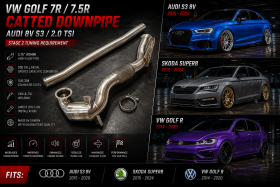
VW Golf 7R 7.5R Audi S3 8V 2.0 TSI Stainless Steel Catted Performance Downpipe | Stage 2 Ready
Special Price $1,295.00 Regular Price $2,285.00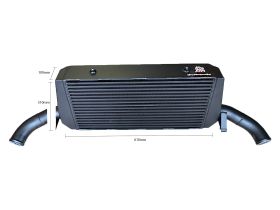
Audi A6 A7 3.0 Bi TDI Heavy Duty Performance Intercooler MG Motorsport
Special Price $2,000.00 Regular Price $2,595.00